
**This post contains affiliate links and other promotional offers, which means we may earn a commission or compensation at no extra cost to you. As an Amazon Associate, I earn from qualifying purchases.**
Tennessee lakes, rivers, and species
Tennessee fishing can mean casting from a Nashville lake bank, drifting a tailwater, chasing stripers below a dam, working crappie structure, or planning a quiet family trip around bluegill and catfish.
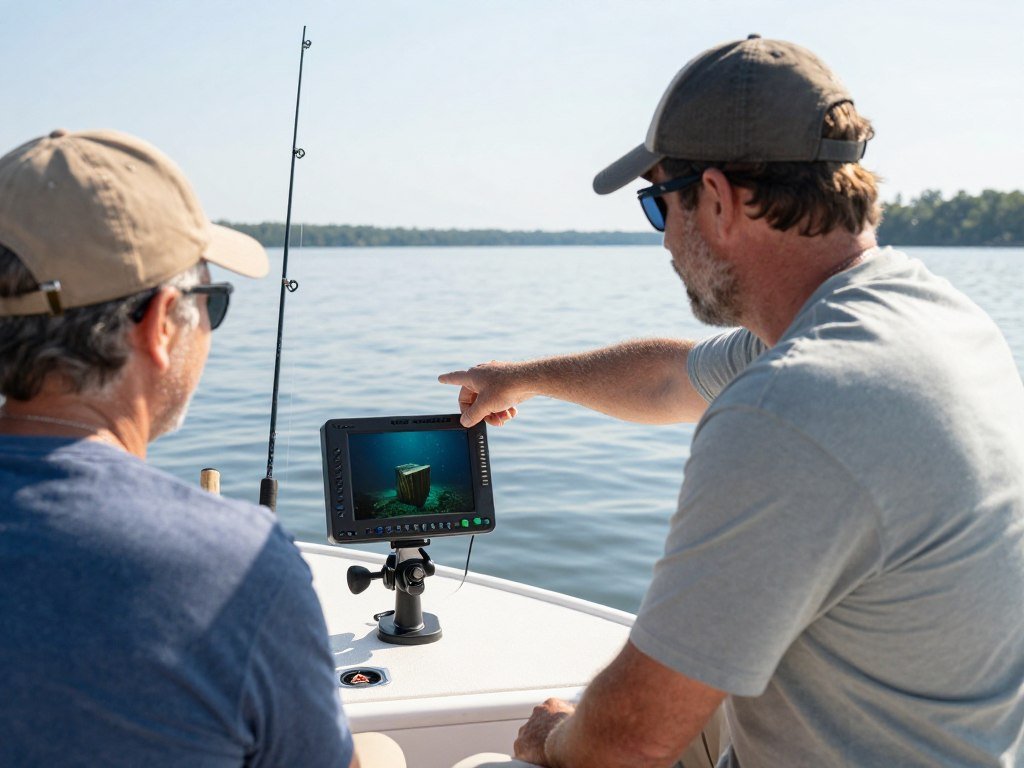
Plan Your Fishing Trip
The best place to fish in Tennessee depends on how you want to spend the day. Big reservoirs give boat anglers room to cover ledges, points, humps, stump fields, creek mouths, and open-water schools. Rivers and tailwaters reward anglers who pay attention to current, dam releases, gravel, seams, and safe access. Bank anglers and families usually need a simpler plan: legal access, room to cast, nearby parking, and a species that gives everyone a fair chance.
Use this guide as a starting point, then move into the lake, river, species, and gear resources that match your trip. If you are new to the state, compare the Tennessee river fishing guide, the Beginner lake fishing in Tennessee, and the statewide fishing locations map before choosing a destination.
What Do You Want To Fish For?
Start with the fish you want to catch. Tennessee has broad multi-species water, but each fish changes the way you choose location, tackle, timing, and access.
Bass
Largemouth, smallmouth, striped bass, and hybrids all show up in the Tennessee inventory, but they do not fish the same. Use seasonal structure, current, bait, and water clarity to narrow the plan.
Crappie
Crappie planning often comes down to season, depth, bottom type, brush, stumps, and how fish use early-season and summer structure.
Catfish
Catfish planning rewards anglers who think about bottom, current, channels, and access, especially around big reservoirs and river-connected systems.
Striped Bass & Hybrid
Striper and hybrid fishing can mean open-water schools, tailrace current, bait selection, and regulation checks before keeping fish.
Trout
Tailwaters and cold-water rivers demand extra attention to flow, access, seasonal rules, and safe wading conditions.
Walleye & Panfish
Walleye, bluegill, and other panfish can turn a trip into a focused species day or a simple family outing when the access and timing are right.
Quick Facts For Anglers
Use these planning notes before you pick a lake, river, season, or boat ramp.
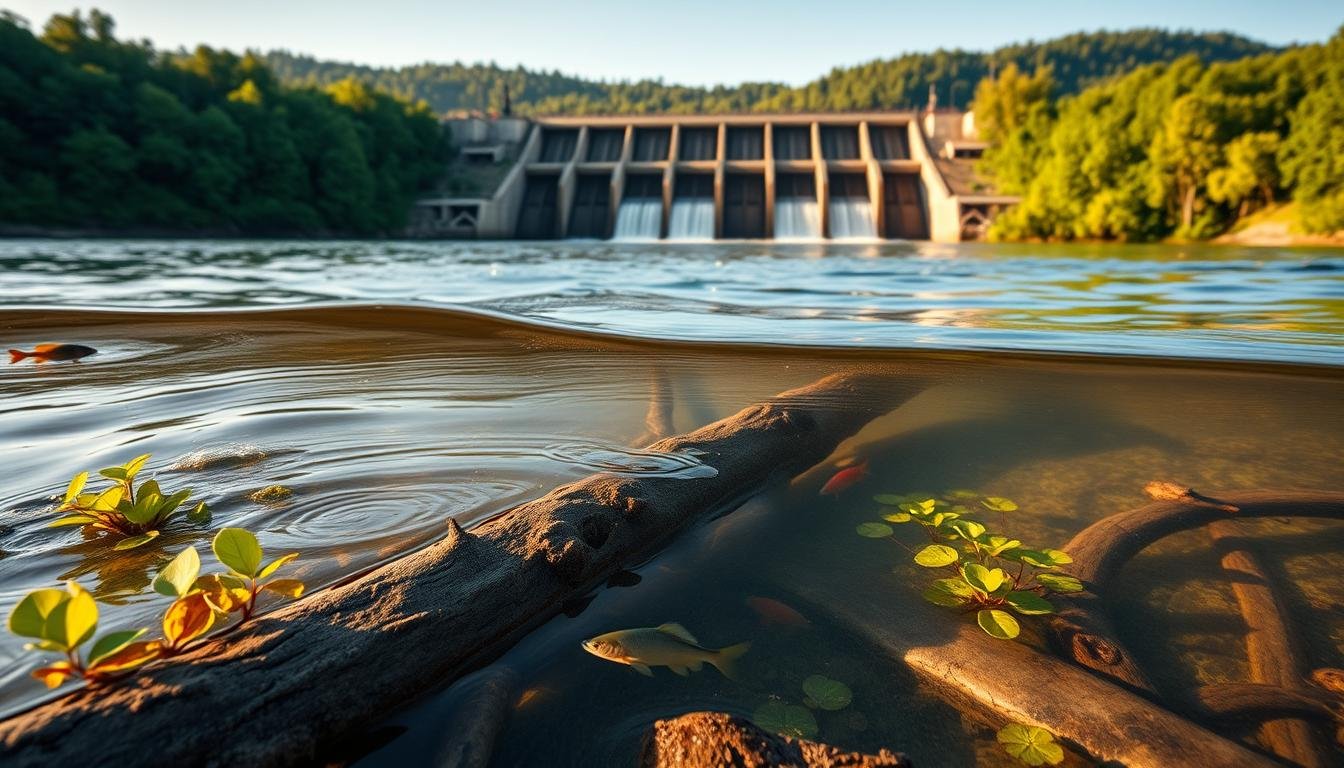
Where To Fish In Tennessee
Tennessee has too much water to reduce into one short list, so choose by region, species, and the type of access you want. Percy Priest is a strong Middle Tennessee starting point for Nashville-area anglers. Watts Bar and the Tennessee River give anglers dam, tailrace, ledge, stump, and creek-mouth patterns. Norris, Dale Hollow, Old Hickory, Chickamauga, Reelfoot, Kentucky Lake, the Caney Fork, the Clinch, and the Holston each point anglers toward a different kind of day.
Lakes and reservoirs
For Nashville-area lake fishing, start with the Percy Priest fishing guide and the broader Percy Priest Lake guide. For East Tennessee and the Tennessee River chain, compare Norris Lake striper fishing, lakes near Chattanooga, and the Watts Bar structure guides below.
Rivers, tailwaters, and dams
River fishing asks more of the angler. Flow, turbines, wading safety, and posted access can matter more than mileage. Use the Tennessee river fishing guide for the broad overview, then move into current-focused resources such as Tennessee River tailrace stripers, Clinch River tailwater gravel bars, and Holston River trout water.
Fishing By Style
Bank anglers should prioritize legal shoreline access, room to cast, and places where fish naturally move within reach. Boat anglers can cover structure, ledges, creek mouths, stump fields, and open-water schools. Kayak anglers need the same fish plan as everyone else, plus a realistic wind, distance, launch, and return plan.
For bank and shoreline ideas, compare the beginner lake guide with Percy Priest shoreline resources. For boat trips, study structure pages like hard-bottom areas and stump and creek-mouth spots. For paddle-friendly destination planning, start with Chattanooga-area lake ideas and verify launch conditions before leaving.
Seasonal Fishing
Season changes the plan, but the useful pattern is simple: fish move with temperature, bait, spawning cycles, oxygen, water level, and current. Spring often puts more attention on spawning habitat and shallow transitions. Summer pushes many anglers toward shade, deeper structure, low-light windows, and current. Fall can bring bait movement, schooling fish, and more comfortable all-day trips. Winter rewards patience and careful safety planning.
Use the species pages for supported seasonal detail, including early-season crappie, summer crappie, bass spawning bottom types, and Dale Hollow smallmouth spawning.
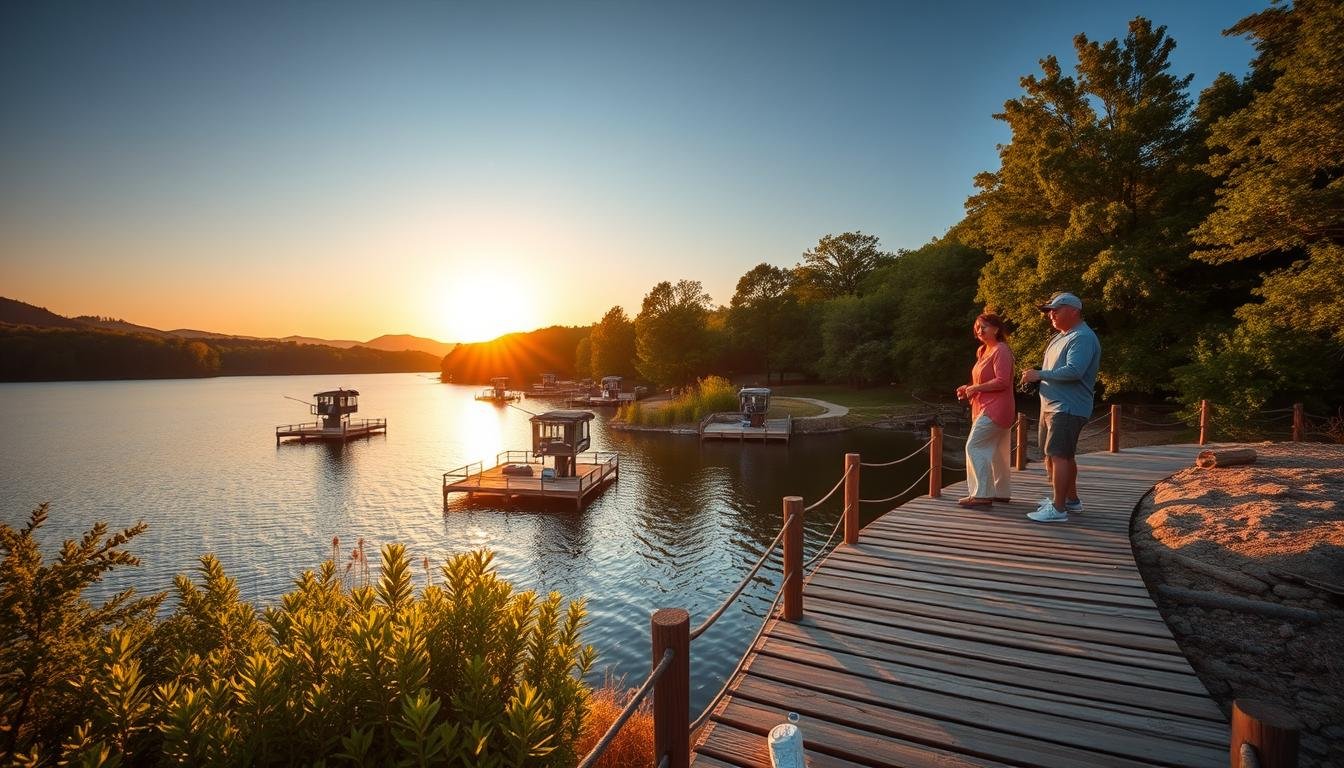
Species Notes For Tennessee Anglers
Bass, stripers, and hybrids
For bass, start with water type. Reservoir bass may relate to rock, points, ledges, timber, brush, and spawning bottom. Striped bass and hybrids can add baitfish movement, current, open-water schools, and keeping rules to the plan; on Percy Priest, check the striped bass rules before harvesting fish. Useful next reads include hybrid striped bass baits, Percy Priest striped bass spots, Norris Lake striper fishing, Percy Priest hybrid bass report, Percy Priest striper updates, and Watts Bar balloon fishing rules.
Crappie, catfish, walleye, and panfish
Crappie anglers should think about season, depth, brush, stumps, bottom composition, and lake level. Catfish anglers often pay closer attention to bottom, channels, current, and bait. Walleye and bluegill can be excellent focused trips or part of a multi-species day. Continue with Kingston Steam Plant crappie, Percy Priest crappie timing, crappie bottom types, Percy Priest catfish hotspots, Percy Priest walleye guide, and Percy Priest bluegill hotspots.
License & Regulations
Check current Tennessee license requirements, creel limits, length limits, trout rules, special permits, and water-specific exceptions before you fish. Do not rely on memory, old screenshots, or a past trip, because rules can change and some waters have exceptions.
The most reliable starting points are the official TWRA Fishing in Tennessee page, the current Tennessee fishing regulations, and Go Outdoors Tennessee for licenses. If you plan to keep striped bass, trout, walleye, sauger, paddlefish, catfish, or fish below dams, double-check the specific water and species before harvesting.
Fishing Gear That Fits The Trip
Match gear to the water instead of packing for every possibility. A bank trip for bluegill and catfish does not need the same setup as a summer ledge trip, a kayak float, or a tailrace striper run.
For boat fishing around ledges, humps, brush piles, and deeper structure, compare a fish finder. For general lake and river trips, a reliable spinning reel, compact tackle storage, and a fish-friendly landing net can cover a lot of Tennessee situations.
Bank anglers and kayak anglers should also think about glare, footing, sun, flotation, and dry storage. A pair of polarized fishing sunglasses helps you read water and protect your eyes, while a properly fitted life jacket matters any time you are on a boat, kayak, or cold moving water. If you are comparing paddle-fishing setups, start with the water you plan to fish before choosing a fishing kayak.
Disclosure: As an Amazon Associate, Tennessee Lakes and Rivers may earn from qualifying purchases.
For more gear-specific reading, compare gear reviews for Tennessee waters and gear picks for Tennessee waters.
Guides, Trips, And Local Services
A local guide, marina, bait shop, campground, or boat rental can make a trip easier, especially on unfamiliar water. Treat those choices the same way you treat fishing conditions: verify availability, rules, location, and fit for your group before committing.
For trip planning ideas, use Tennessee guided fishing trips, fishing tournaments in Tennessee, and fishing vacation ideas. This page does not list paid local partners; choose businesses based on current service, location, safety, and your own trip needs.
Fishing Safety
Fishing safety starts with access, weather, water, and the people in your group. Wear a life jacket when boating or kayaking, take extra care below dams, avoid wading unfamiliar current, keep children close around banks and docks, and leave enough daylight to return safely.
Boat anglers should watch wind, traffic, submerged structure, and ramp conditions. Bank anglers should watch footing, private property, snakes, hooks, and changing water levels. River anglers should check dam-release information where it applies and avoid putting themselves in fast or rising water.
Frequently Asked Questions
What is the best place to fish in Tennessee?
There is no single best place for every angler. Percy Priest, Watts Bar, Norris, Dale Hollow, Old Hickory, Chickamauga-area water, Reelfoot, Kentucky Lake, and Tennessee River tailwaters can all make sense depending on species, season, access, and whether you are fishing from a bank, boat, or kayak.
Do I need a fishing license in Tennessee?
Most anglers should expect to need a valid license in Tennessee unless an exemption applies. Check the official TWRA and Go Outdoors Tennessee pages before fishing, especially for youth, seniors, trout water, special permits, and nonresident trips.
What fish can you catch in Tennessee?
Common targets include largemouth bass, smallmouth bass, striped bass, hybrid bass, crappie, catfish, trout, walleye, bluegill, skipjack, and other panfish or river species depending on the water.
Is Tennessee better for lake fishing or river fishing?
Both are strong. Lakes are often easier for boat, family, and multi-species planning. Rivers and tailwaters can be excellent for anglers who understand current, access, flow changes, and species-specific rules.
Can you fish from the bank in Tennessee?
Yes, but the quality of a bank trip depends on legal access, casting room, nearby structure, water level, and the species you are targeting. Start with public access areas, parks, fishing platforms, and shoreline guides.
More Fishing Guides
Use these next when you want a more specific lake, river, species, gear, or trip-planning answer.
Choose Water First
Pick the lake, river, or tailwater that fits your species, access, and group. Then check the current rules, pack for the actual conditions, and use the focused guides above for the details that matter on that water.