
**This post contains affiliate links and other promotional offers, which means we may earn a commission or compensation at no extra cost to you. As an Amazon Associate, I earn from qualifying purchases.**
Tennessee lakes and rivers
Plan Duck River trips with biodiversity context, paddling and snorkeling caution, water clarity, access points, family outings, and conservation awareness.
Known for
biodiversity
Trip fit
paddling and nature
Watch
water level
Respect
sensitive habitat
Why The Duck River Deserves Its Own Plan
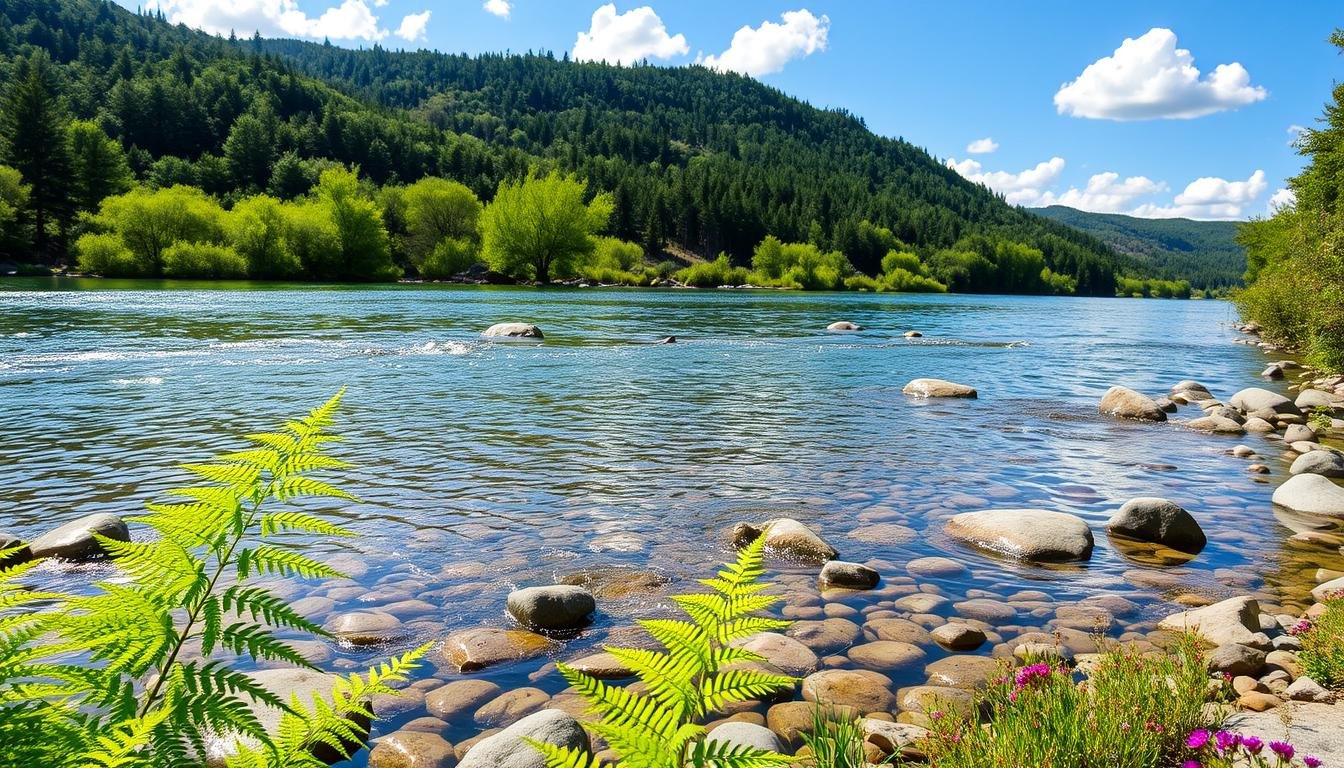
The Duck River cluster is built around biodiversity, not just recreation. Validated pages cover endangered mussels, mussel beds, birdwing pearly mussel history, endemic fish, rare darters, gravel riffles, Pinewood clear water, snorkeling, box turtle sightings, access, kayaking, and conservation pressure.
That makes the Duck River a sensitive nature and paddling resource. A good visitor plan should reduce disturbance while still helping people enjoy the water legally and safely.
Biodiversity, Mussels, And Sensitive Habitat
Mussels, darters, substrate, riffles, and rare aquatic species are not background trivia on the Duck. They are the reason the river needs a different tone from a tubing or lake-beach guide.
Do not collect shells, move rocks, disturb mussel beds, handle wildlife, or treat clear water as permission to walk anywhere. Stay with legal access and low-impact behavior.
Clear Water, Gravel Riffles, And Snorkeling
The Duck can draw attention for clear-water stretches such as Pinewood and for snorkeling pages around rare darters and mussel-rich areas. Clarity can still change with rain, runoff, season, and location.
Snorkeling should be cautious, legal, and habitat-aware. Visibility does not remove current, slippery rocks, private-property boundaries, or the need to avoid disturbing the river bottom.
Paddling, Floating, And Access
Kayaking and floating on the Duck require a put-in, takeout, water-level read, route length, and current conditions. A short article or map reference is not enough if the exit is unclear.
Choose public access, know the takeout before launching, and keep the route simple for families or first-timers. Avoid pressuring the river by improvising banks or trampling sensitive areas.
Fishing, Wildlife, And Family Nature Trips
Fishing and wildlife viewing can fit the Duck River when visitors respect habitat and current rules. Box turtle sightings, endemic fish, mussels, darters, and bird migration themes all point to a nature-first outing.
Families should frame the trip around observation, short distances, cleanup, and easy exits. The best Duck River day often feels quieter than a standard recreation itinerary.
Respectful Duck River Recreation
A Duck River plan should answer three questions before the fun details: where is legal access, what is the current water condition, and how will the group avoid disturbing habitat?
If the answer is uncertain, choose a developed access, a shorter paddle, a riverside walk, or a different river for casual floating. The Duck's ecological identity is the point, not an obstacle to work around.
Duck River Low-Impact Gear
For paddling, viewing, or snorkeling-oriented Duck River days, keep gear light and secure: dry bag, water shoes, waterproof phone pouch, paddling life jacket.
Disclosure: As an Amazon Associate, Tennessee Lakes and Rivers may earn from qualifying purchases.
Common Questions
Why is the Duck River important?
It is known for exceptional aquatic biodiversity, including sensitive mussel, fish, riffle, and clear-water habitat.
Can visitors snorkel the Duck River?
Only where legal, safe, and low-impact. Check conditions, respect access, and avoid disturbing mussel beds or river bottom habitat.
What should paddlers plan first?
Legal access, current water level, route length, and the takeout.
More Duck River Guides
Use these pages for mussels, rare species, clear water, gravel riffles, snorkeling, kayaking, wildlife, and conservation-aware visits.