
**This post contains affiliate links and other promotional offers, which means we may earn a commission or compensation at no extra cost to you. As an Amazon Associate, I earn from qualifying purchases.**
Tennessee lake and river swimming
Tennessee swimming can mean a designated lake beach near Nashville, a clear-water cove on Center Hill or Norris, a family day-use area, or a natural river spot where access, footing, current, and weather matter as much as the scenery.
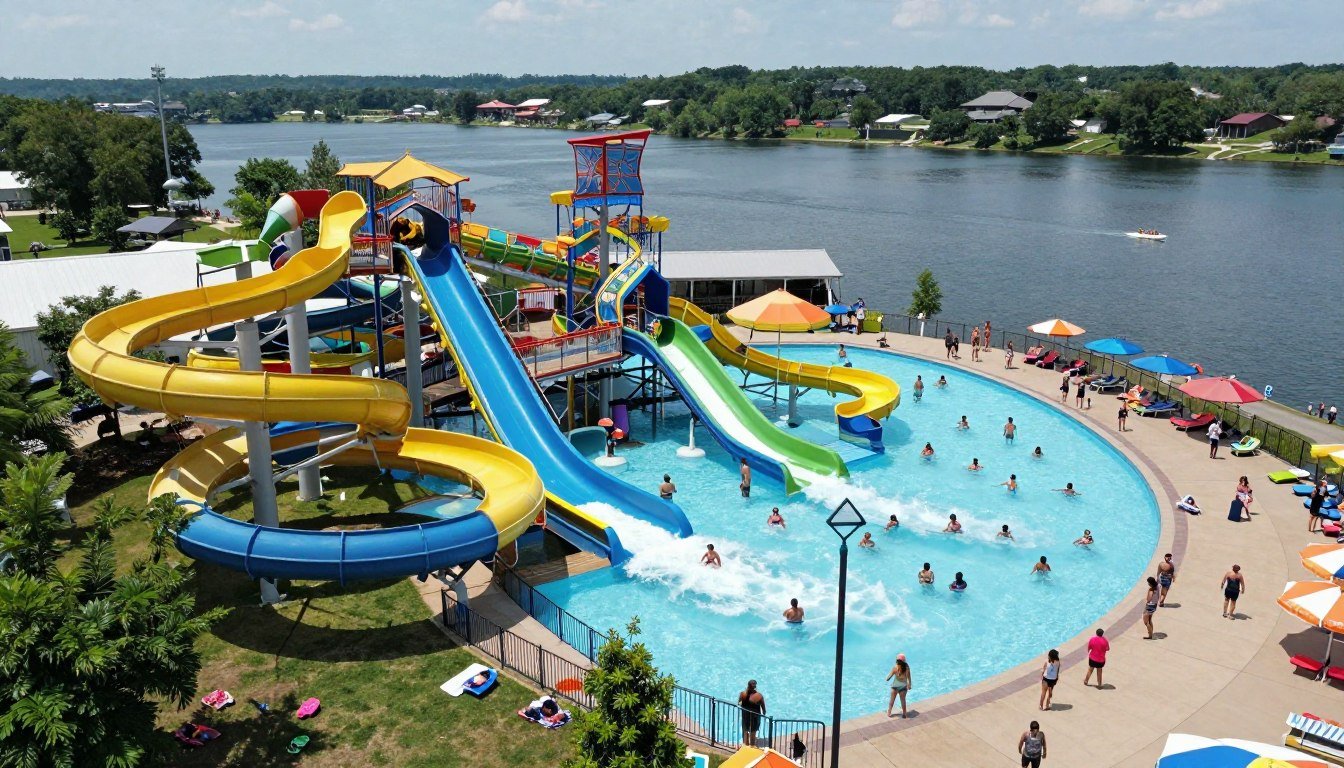
Plan Your Tennessee Swimming Day
The right swimming spot depends on what kind of day you want. Lake beaches and swim zones are usually easier for families because they tend to offer clearer boundaries, parking, restrooms, picnic space, or nearby services. Natural shorelines, coves, rivers, and swimming holes can feel more adventurous, but they ask more from the group: better footwear, closer attention to depth changes, and a realistic plan for getting in and out of the water.
Before choosing a place, think through water clarity, facilities, shoreline conditions, boat traffic, current, weather, access, and the ages or swimming ability in your group. Current conditions can change quickly, so verify posted rules and local advisories before you leave home.
What Kind Of Swimming Spot Do You Want?
Start with the experience, then pick the water. These paths keep the decision simple without pretending every Tennessee swimming place serves the same kind of trip.
Clearest Water
For visitors who care most about visibility, color, spring influence, and clear-water coves.
Family Beaches
For younger swimmers, easier parking, picnic plans, and designated areas where the day is simpler to manage.
Near Nashville
For Middle Tennessee trips built around Percy Priest, Old Hickory, Center Hill, and nearby river options.
East Tennessee
For clear reservoir water, mountain-influenced lake trips, and bigger regional swimming weekends.
Rivers And Holes
For natural river swimming where current, rock, access, and water level shape the day.
Safety First
For families, boat-adjacent swimming, changing lake levels, bacteria advisories, flotation, and posted rules.
Tennessee Swimming Quick Reference
Use these checks before you pick a destination or load the cooler.
Best Tennessee Lakes For Swimming
Tennessee’s best swimming lakes are not all best for the same reason. Percy Priest is the most practical Nashville-area choice in this set because it has multiple swim-focused resources, including Percy Priest swimming guide, Percy Priest swim zones, sandy beach on Percy Priest, and Fate Sanders Day Use Area. Families should pair those with lifeguard details and Percy Priest safety tips before assuming every shoreline works the same way.
Center Hill belongs in the conversation for clear water, coves, waterfalls, and cold-water influences. Start with Center Hill swimming spots and falls, then compare clear-water coves at Center Hill, Center Hill water temperature and cold springs, and how cold-water releases affect swimming. For broader clear-water planning, the statewide resources on clear Tennessee swimming lakes and lakes with the bluest waters are better entry points than a single numbered list.
Old Hickory, Norris, Cherokee, Douglas, Dale Hollow, Pickwick, Reelfoot, and Watauga all show up in Tennessee swimming planning through clear-water, family, pet-friendly, and safety resources. Use those names as trip-planning leads, then verify the exact park, beach, or access point before leaving.
Clearest Lakes
If water clarity is the main reason for your trip, go deeper with Tennessee's clearest lakes for swimming. That page stays focused on clear-water choices, while this page helps compare the broader swimming day: beach access, regional convenience, family needs, river options, safety, and what to pack.
Clear water can be shaped by coves, springs, depth, inflow, weather, and shoreline conditions. For more detail, compare Tennessee spring-fed coves, cold underwater springs, clear-water coves at Center Hill, and Pinewood's Duck River clear water.

Swimming Near Nashville And Middle Tennessee
Percy Priest is the clearest starting point for swimming near Nashville because there are focused guides on swim zones, sandy beach-style access, no-boat swim holes, lake levels, bacteria advisories, and common water risks. Use Percy Priest swim holes without a boat for simpler access ideas, Percy Priest summer pool for lake-level context, bacteria advisory planning, and underwater risks at Percy Priest before taking a group to unfamiliar shoreline.
Middle Tennessee also includes Center Hill and river choices such as the Harpeth and Duck River. Natural spots can be beautiful, but they are not the same as staffed or clearly marked beaches. Review Harpeth River limestone swimming holes, Harpeth River kayaking or swimming, and Pinewood Duck River clear water with current local conditions in mind.
East Tennessee Swimming
East Tennessee swimming is strongest when you are choosing for clear reservoirs, mountain-influenced scenery, and weekend lake trips. Norris, Watauga, Douglas, Cherokee, and Dale Hollow are best approached through clear-water and blue-water planning resources rather than one single beach list.
Start with lakes with the bluest waters, then compare clear-water lake choices and spring-fed cove ideas. If you are bringing kids, pets, or a mixed group, use kid-friendly lake planning and pet-friendly lakeside parks to narrow the day around access and comfort.
River Swimming And Swimming Holes
River swimming has a different risk profile than a marked lake beach. Current, slick rock, strainers, changing depth, rain upstream, and limited exits all matter. Use Tennessee rivers that are great for swimming for the broader river set, then read specific resources on Harpeth River bedrock holes, Harpeth River swimming and paddling, Duck River clear water, and snakes in Tennessee rivers.
Family-Friendly Swimming
For families, the best swimming spot is usually the one with the fewest surprises. Favor designated swim areas, gentle entries, clear boundaries, restrooms, shade, nearby parking, and enough space to keep younger swimmers close. Bring properly fitted flotation for children and weak swimmers, and do not treat calm water as a safety guarantee.
Good next reads include kid-friendly Tennessee lakes, Percy Priest lifeguard notes, life jacket guidance at Percy Priest, essential Percy Priest water tips, and alcohol rules at Percy Priest if adults are planning a longer lake day.
Swimming Safety And Conditions
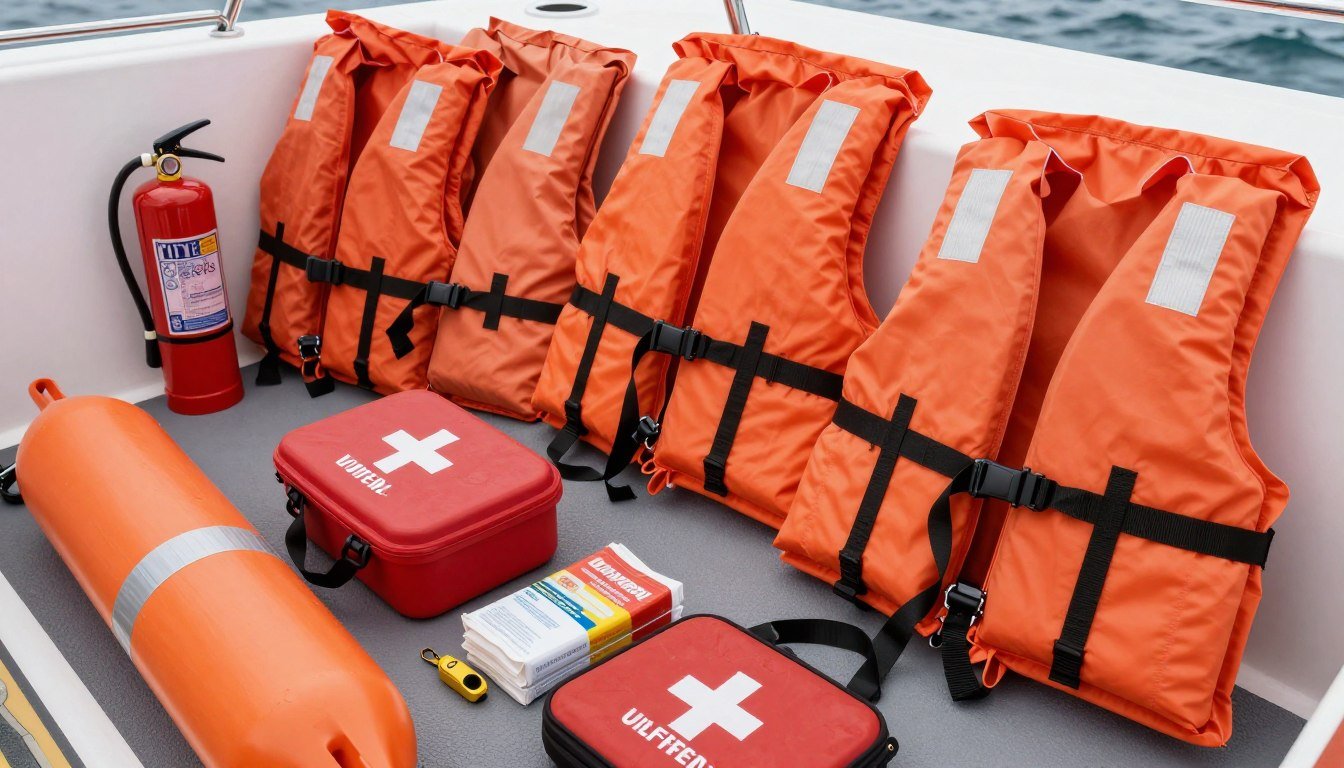
Check posted rules, weather, water level, boat traffic, current, and shoreline conditions before entering. Use a life jacket where appropriate, especially for children, weak swimmers, boat-adjacent swimming, cold water, and moving water. Leave the water for thunder, rising flow, strong current, poor visibility, or any condition your group cannot manage comfortably.
Unfamiliar Tennessee water can hide dropoffs, stumps, rocks, fishing line, glass, mud, and sudden cold spots. Read lake swimmer safety checklist, underwater risks at Percy Priest, cold underwater springs, Center Hill cold-water releases, and snakes in Tennessee rivers when those risks apply to your trip.
For boat-adjacent days or mixed swimming and paddling, consider an adult life jacket, a small dry bag, and a waterproof phone pouch for essentials that should stay dry.
What To Bring
Pack around the actual water. For lake beaches, think shade, drinking water, towels, sunscreen, snacks, a cooler, flotation, and shoes that can handle hot sand or rough edges. For rivers and natural shorelines, add better footwear, dry storage, a simple first-aid kit, and a plan for keys and phones.
A simple bag beats a crowded beach cart when access is rough. Keep glass away from swimming areas, take trash back out, and leave enough dry clothing for the ride home.
Frequently Asked Questions
What are the clearest lakes in Tennessee for swimming?
Clear-water choices to compare include lakes such as Center Hill, Norris, Watauga, Cherokee, Douglas, Dale Hollow, and Percy Priest in the right context. Use the dedicated clear-water guide for the deeper comparison.
Can you swim in Tennessee lakes?
Yes, many Tennessee lakes have beaches, swim zones, day-use areas, coves, or shoreline access where swimming is part of the experience. Always check the specific park, posted rules, water conditions, and local advisories before entering.
Where can families swim in Tennessee?
Families usually do best at designated swimming areas, lake beaches, and parks with restrooms, parking, picnic space, and easier shoreline access. Kid-friendly lake planning should also include flotation, shade, weather, and supervision.
Where can I swim near Nashville?
Percy Priest is the main Nashville-area swimming anchor here, with resources for swim zones, sandy beach-style access, no-boat swim holes, lake levels, and safety. Center Hill, Old Hickory, the Harpeth, and the Duck River can also fit Middle Tennessee trips depending on access and conditions.
Are Tennessee lakes safe for swimming?
No natural water is automatically safe. Conditions change with weather, water levels, boat traffic, bacteria advisories, current, visibility, and shoreline hazards. Choose designated areas when possible and follow posted rules.
Which Tennessee lakes have beaches?
Beach-style and swim-area planning is strongest at Percy Priest and several family lake destinations. Always verify the exact public beach, day-use area, or park before going because access and rules vary by location.
More Tennessee Swimming Guides
Use these next when you want a more specific lake, river, safety, or family-planning answer.
Choose The Water That Fits Your Group
Pick the swimming spot around access, water type, swimmer ability, and the kind of day you want. Then check current conditions, pack for sun and safety, and use the focused guides above for the details that matter on that lake, beach, river, or cove.