
**This post contains affiliate links and other promotional offers, which means we may earn a commission or compensation at no extra cost to you. As an Amazon Associate, I earn from qualifying purchases.**
Tennessee destination guide
Plan a Tennessee-side Kentucky Lake trip around big-water boating, stump fields, wind, whitecaps, flooded towns, Asian carp, marinas, resorts, and current conditions.
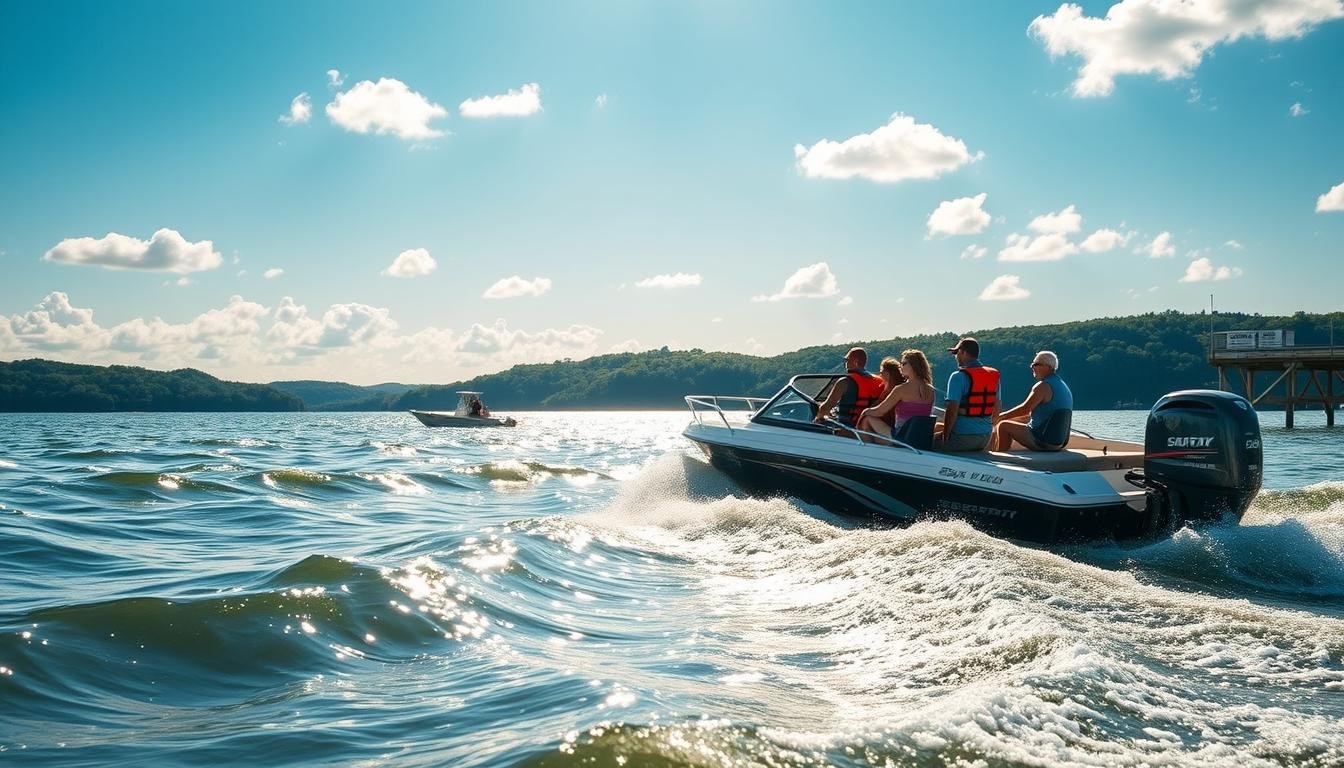
Kentucky Lake Is Big-Water Tennessee Planning
Kentucky Lake is different from compact lake destinations. The Tennessee-side trip often involves big-water decisions: wind, whitecaps, distance, stump fields, marinas, resorts, and a plan that respects the lake's scale.
The source set is strong and specific: low-water stump fields, whitecap boat control, wind danger in small boats, flooded towns, New Johnsonville history, Asian carp, zebra mussels, clay banks, cold-water upwellings, and Tennessee River boating excursions.
Wind, Whitecaps, And Small-Boat Decisions
Wind is one of the first Kentucky Lake planning questions. A route that looks reasonable in calm water can become uncomfortable or unsafe when open water builds chop.
Small-boat operators should stay conservative, watch current forecasts, and avoid long exposed crossings when conditions are uncertain. A sheltered route or shore-based plan is better than forcing a big-water day.
Useful deeper reads for this part of the plan include Zebra Mussels Invade Kentucky Lake: What You Need to Know, Discover the Impact of Asian Carp on Kentucky Lake & Tennessee River, Small Boat Safety on Kentucky Lake: Must-Know Forum Tips, Kentucky Lake Flooded Towns: Discover Lost Towns & Maps.
Stump Fields And Low-Water Hazards
Kentucky Lake's low-water stump-field source material is a clear warning that navigation cannot rely on surface appearance alone. Water level, submerged timber, and unfamiliar routes matter.
Use current maps, marked channels, local guidance, and cautious speed where hazards may exist. Visitors unfamiliar with the lake should avoid improvising shortcuts.
Flooded Towns, New Johnsonville, And Lake History
Kentucky Lake has a deeper historical layer than many vacation pages show. Flooded towns, New Johnsonville stories, and Tennessee River reservoir development give the lake a strong sense of place.
That history is useful for trip planning when it leads to museums, shoreline interpretation, reading, or respectful curiosity. It should not turn into unsafe attempts to reach submerged places.
For more detail, compare Beware the Dangers of Kentucky Lake’s Low Water Stump Fields and Navigating Kentucky Lake’s Whitecaps: Boat Control and Safety.
Invasive Species And Living Water
Asian carp and zebra mussel pages show that Kentucky Lake is also an ecological story. Invasive species affect fishing, boating awareness, and how visitors should think about cleaning gear and respecting waterway guidance.
Follow current agency recommendations for boats, bait, and gear. Do not move water, plants, or organisms between lakes.
Planning The Tennessee Side
A strong Kentucky Lake trip starts with a base: marina, resort, campground, cabin, or town. Then choose boating, fishing, history, restaurants, or shoreline scenery around that base.
Because the lake is large, current conditions should decide how ambitious the day gets. Keep a protected-water or land-based backup ready.
Kentucky Lake Trip Bases
Kentucky Lake trips usually work better from a base than from a wandering plan. A marina, campground, resort, cabin, or town gives the visitor a smaller operating area on a very large lake. That base should be chosen around the day's main risk: wind exposure, stump fields, distance, or unfamiliar navigation.
A Tennessee-side plan may focus on New Johnsonville history, Tennessee River boating, fishing, or a resort stay. Each base creates a different version of the lake, and each should have a bad-weather alternative nearby.
Big-Water Caution Without Overstatement
Kentucky Lake does not need scare language, but it does need respect. Whitecaps, low-water hazards, submerged timber, invasive species, and wind-sensitive routes are practical visitor issues. They are also exactly why a broad page can help people sort the narrower safety and history articles.
The most useful habit is to shorten the route before conditions force the decision. If the lake is building chop or the group is uncertain about a crossing, stay closer to the launch, fish protected water, or shift to a shoreline plan.
Kentucky Lake Gear That Actually Fits
Keep the gear list tied to the water day. Depending on the plan, useful items may include adult life jacket, marine first aid kit, waterproof lake map case, boat emergency kit.
Disclosure: As an Amazon Associate, Tennessee Lakes and Rivers may earn from qualifying purchases.
Kentucky Lake Questions
Is Kentucky Lake a big-water destination?
Yes. Wind, distance, whitecaps, and navigation hazards deserve serious planning.
Why are stump fields important?
Low water can expose or hide hazards that matter for boat control and route choice.
Should visitors focus on the Tennessee side?
This guide frames Kentucky Lake from a Tennessee visitor perspective, including Tennessee River and New Johnsonville context.
More Kentucky Lake Planning Guides
Use these next-step guides when the broad plan turns into a specific access, safety, history, fishing, or trip-style question.