
**This post contains affiliate links and other promotional offers, which means we may earn a commission or compensation at no extra cost to you. As an Amazon Associate, I earn from qualifying purchases.**
Tennessee lakes and rivers
Plan Cumberland River trips around Nashville riverfront access, sandbars, fishing, paddling, scenic stops, habitat, and current local conditions.
Best known for
Nashville riverfront
Trip styles
views, fishing, paddling
Watch
current and sandbars
Verify
access rules
The Cumberland River Is More Than The Nashville View
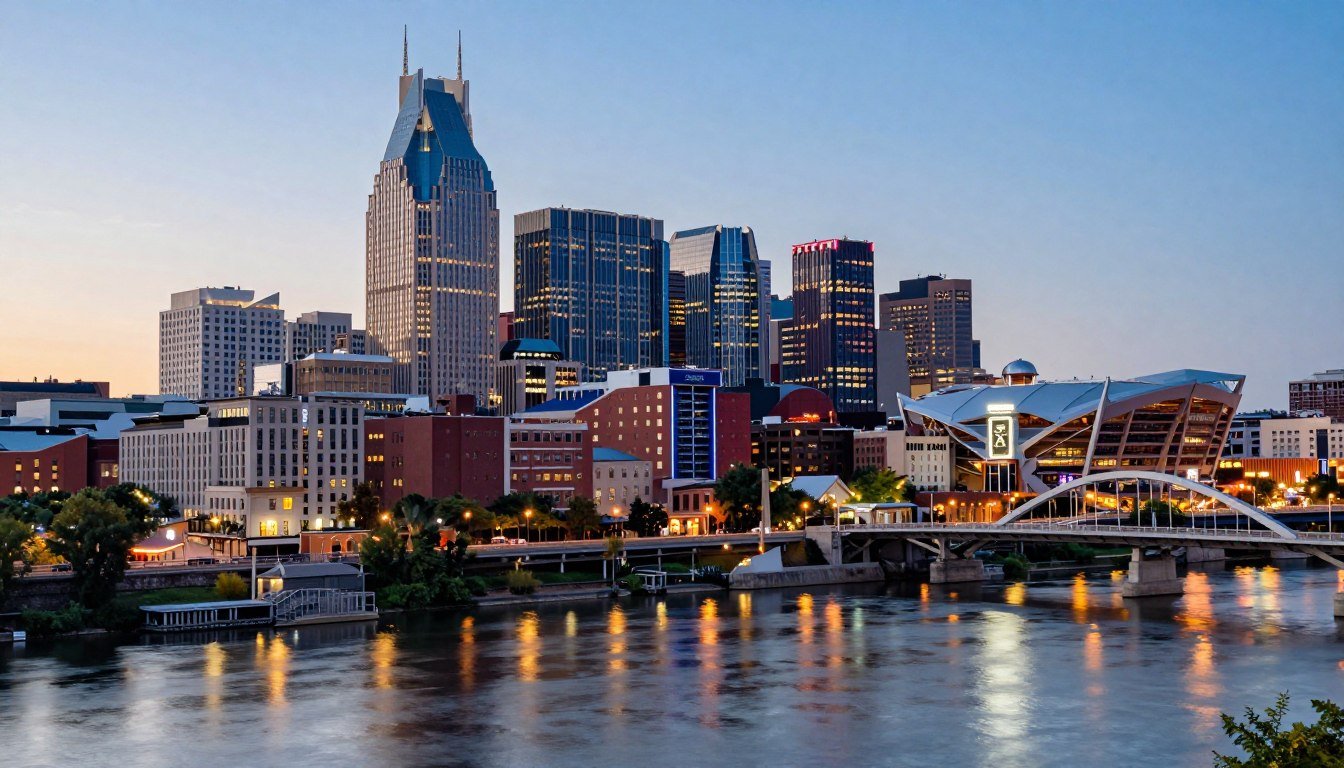
The Nashville skyline gives the Cumberland River its most recognizable Tennessee image, but the validated source set goes wider: the river's route, endangered mussels and fish, Upper Cumberland habitat, Nashville riverbed substrate, siltation, urban riverscapes, ferry rides, riverfront photography, and nearby river choices.
That mix makes this a section-by-section waterway. Downtown sightseeing, sandbar curiosity, fishing, paddling, and habitat-focused learning all need different expectations.
Nashville Riverfront Versus On-Water Planning
A Nashville riverfront visit can be mostly about views, walking, restaurants, events, and urban scenery. That is very different from launching, paddling, fishing, or trying to reach a sandbar.
Downtown crowds, parking, events, boat traffic, and official access points should decide the plan. A good Cumberland day separates looking at the river from getting on or near the water.
Substrate, Siltation, Sandbars, And Habitat
Cumberland-specific source articles emphasize what is under the water: substrate around Nashville, siltation, endangered mussels, Upper Cumberland elktoe habitat, and fish species under pressure. Those are not generic planning details; they are part of how the river behaves and why some places need care.
Sandbars and shallow margins can shift with current, level, and sediment. Treat them as changing river features, not fixed beaches. Avoid disturbing mussel habitat or sensitive riverbed areas.
Fishing, Paddling, Ferries, And Scenic Sections
Fishing plans need access and current awareness. Paddling plans need a route, a takeout, and water conditions. Scenic ferry rides, riverfront walks, and photo stops may be better choices for visitors who want the Cumberland without managing moving water.
The best choice depends on whether the group wants urban scenery, quiet banks, a historical route, a wildlife or habitat lens, or a real on-water trip.
How To Choose A Cumberland River Outing
Choose Nashville riverfront access for skyline views, restaurants, and urban walking. Choose Upper Cumberland or habitat-oriented reading when the goal is ecology and river history. Choose fishing or paddling only after the access and exit plan are clear.
Do not use a whitewater, ferry, sandbar, and downtown-riverfront idea in the same plan unless the locations and conditions truly line up. The Cumberland rewards narrowing the day to one section.
Cumberland Conditions Worth Verifying
Check current access, closures, events, weather, river conditions, and local rules before a water-contact plan. For sandbars or shallow riverbed features, recent water behavior matters more than a static description.
For family or first-time trips, public riverfront views or managed access usually make more sense than improvised banks or uncertain takeouts.
Cumberland River Carry List
For paddling, fishing, or riverfront days, useful items should match whether you are on the water or staying along the bank: waterproof phone pouch, dry bag, adult life jacket, fishing tackle bag.
Disclosure: As an Amazon Associate, Tennessee Lakes and Rivers may earn from qualifying purchases.
Common Questions
Is the Cumberland River only a Nashville riverfront destination?
No. Nashville is the best-known visitor frame, but Cumberland planning also includes upstream habitat, riverbed conditions, fishing, paddling, ferries, and scenic banks.
Are Cumberland River sandbars reliable places to plan around?
Not without a current conditions check. Sandbars and shallow features can change with water level, current, sediment, weather, and local restrictions.
What makes the Cumberland different from other Tennessee rivers?
Its mix of urban riverfront, historical route, substrate and siltation issues, and sensitive mussel and fish habitat gives it a different planning profile.
More Cumberland River Resources
Use these pages for the river route, Nashville substrate, siltation, habitat, scenic banks, and riverfront decisions.