
**This post contains affiliate links and other promotional offers, which means we may earn a commission or compensation at no extra cost to you. As an Amazon Associate, I earn from qualifying purchases.**
Tennessee lakes and rivers
Use practical Tennessee lake and river safety planning for swimming, boating, paddling, storms, water levels, children, pets, and changing conditions.
Start with
conditions
Most important
flotation
Extra care
children and storms
Verify
rules and closures
Before You Enter The Water
Start with conditions, not the activity. Weather, current, water level, boat traffic, shoreline drop-offs, low-water hazards, whitecaps, and posted rules decide whether a Tennessee lake or river plan is appropriate.
Natural water is not a controlled environment. A safe plan has a way to stop early, a known exit, communication, footwear, supervision, and properly fitted flotation for the people who need it.
Life Jackets And PFDs
Life jackets are the first safety decision for boating, paddling, children, weak swimmers, and anyone near current or deep water. The validated source set includes Tennessee boating safety, Percy Priest life jacket guidance, Kentucky Lake small-boat risk, and whitecap boat-control pages.
Use properly fitted, activity-appropriate flotation and keep it worn when conditions call for it. Do not treat a stored life jacket as protection for a sudden fall, missed takeout, or changing weather.
Swimming And Beach Safety
Swimming risk comes from depth changes, sudden shoreline drop-offs, cold releases, cliff areas, low visibility, slippery rock, debris, fatigue, and boat traffic. A designated swim area or managed access point is usually easier to evaluate than a random bank.
Keep children within reach, avoid jumping into unknown water, and do not rely on a calm surface. If the entry, bottom, current, or exit is uncertain, do not enter.
Boating Safety
Boaters should plan for weather, wind, whitecaps, low-water stump fields, traffic, route distance, sober operation, and the return to the ramp. Rental or school settings can help, but they do not remove the need to understand rules and conditions.
Small boats deserve special caution on large reservoirs such as Kentucky Lake. If wind or waves exceed the group's comfort, shorten the route or stay off the open water.
Kayaking, Paddling, And Moving Water
Paddlers need a clear put-in, takeout, water level, current read, and communication plan. Tailwaters, rivers, and narrow channels can change faster than a quiet cove.
Do not paddle a route because it looks short on a map. Missed takeouts, strainers, rising water, or wind can make a simple route unsafe.
Water Levels, Weather, And Seasonal Risk
Low water can expose stumps, rocks, mud lines, and shallow hazards. High or fast water can create current, debris, and missed exits. Storms add lightning, wind, poor visibility, and cold exposure.
Cancel or shorten the day when the forecast, water level, group comfort, or exit plan does not support the activity. A safer developed shoreline stop is better than forcing the original plan.
Children, Solo Visitors, Alcohol, And Judgment
Children need close supervision, shade, water, footwear, and a simple exit. Solo visitors should leave a route plan with someone and choose predictable access. Alcohol and impaired judgment make every water decision worse.
A group should plan around its least experienced person. That may mean skipping cliff jumping, open-water boating, long paddles, or remote banks even when stronger members feel comfortable.
Wildlife, Habitat, And Natural Hazards
Safety also includes respecting the living water. Tennessee sources include mussels, crayfish, frogs, hellbenders, darters, and other sensitive species. Do not collect shells, disturb beds, handle wildlife, or climb around unstable banks to reach them.
Treat natural hazards and protected habitat as reasons to slow down. Responsible recreation reduces risk for visitors and pressure on the waterway.
Emergency Planning
Know the access name, nearest road, takeout, and where the group will regroup if separated. Carry a charged phone in a protected pouch where service exists, and do not assume someone else can solve a missed takeout or injury.
Call for help early if someone is missing, injured, exhausted, trapped by current, or caught in weather. The best emergency plan is the one that prevents the trip from reaching that point.
When Not To Enter The Water
Do not enter when storms are nearby, water is rising or too fast, the bottom is unknown, the exit is unclear, boat traffic is heavy, the group lacks flotation, or anyone feels pressured to continue.
Also skip water contact when posted rules, closures, cold releases, cliff hazards, or low-water obstacles make the situation uncertain. Waiting is a valid safety decision.
Basic Safety Gear
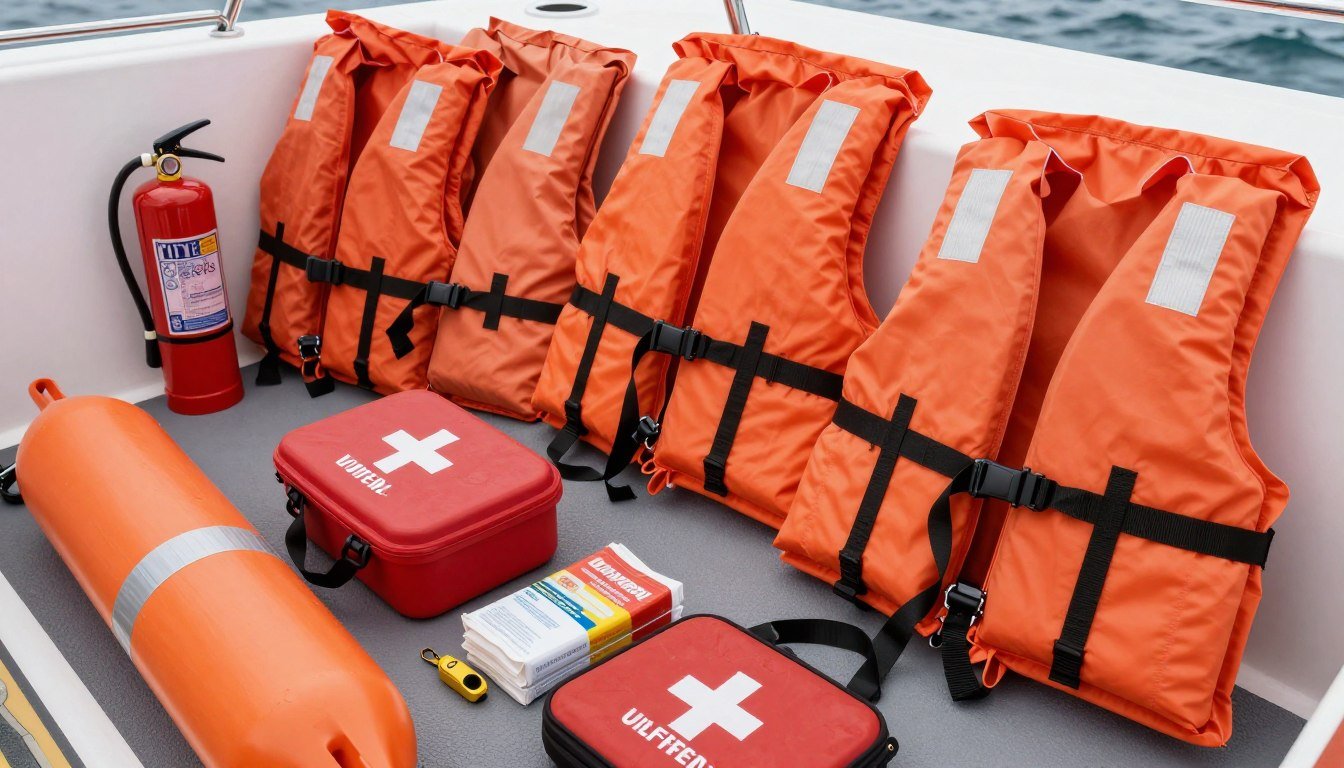
Safety gear should be chosen around the activity, but these basics fit many boating, paddling, and family water days: adult life jacket, children's life jacket, marine first aid kit, water shoes, waterproof phone pouch.
Disclosure: As an Amazon Associate, Tennessee Lakes and Rivers may earn from qualifying purchases.
Common Questions
When should a Tennessee water trip be canceled?
Cancel when weather, water level, current, visibility, access, flotation, or group comfort does not support the planned activity.
Are Tennessee lakes controlled environments?
No. They are outdoor water settings with changing levels, traffic, weather, temperature, and shoreline conditions.
What is the first safety item to check?
Properly fitted life jackets or PFDs for boating, paddling, children, weak swimmers, and moving-water situations.
More Tennessee Water Safety Guides
Use these pages for boating safety, whitecaps, life jackets, drop-offs, cliff areas, low-water hazards, and natural-water decisions.